
A guide to choosing the right plant pots for your home and garden
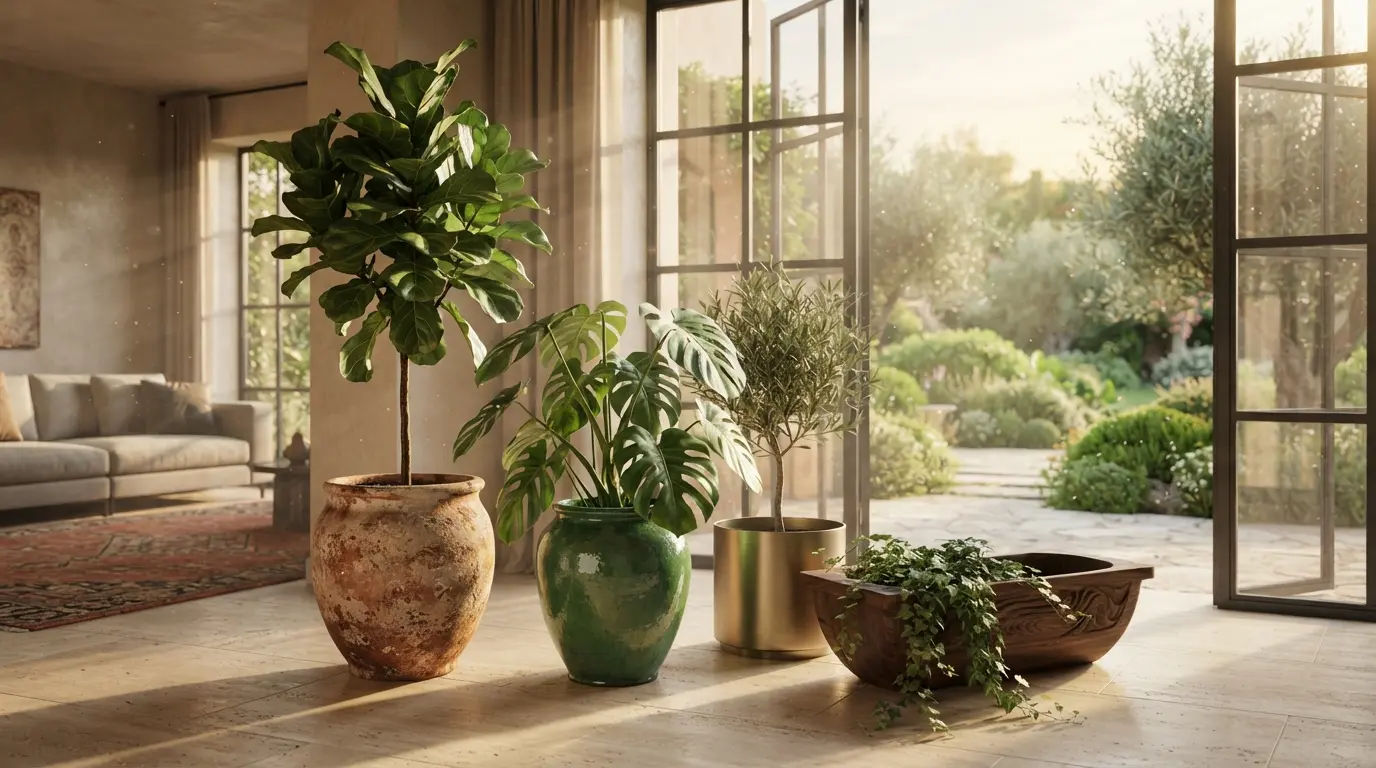
Plant pots are essential elements that influence plant health and the aesthetics of both indoor and outdoor spaces. Choosing the right pot isn’t just about shape or color; it also depends on the plant’s size and type, the location, and the root’s aeration and drainage needs. Therefore, understanding the differences between pot types, materials, and sizes helps create a better environment for plant growth and gives your home or garden a more harmonious and attractive appearance.
The importance of choosing the right plant pot
The pot plays a crucial role in plant growth and stability, as it provides the space where roots spread and receive water and nutrients. If the pot is too small, roots may become overcrowded and stop growing normally, while using a pot that is much larger than the plant needs can cause the soil to retain excess water, potentially leading to root rot.
A suitable pot also helps regulate water drainage and aeration, two essential factors for maintaining healthy roots. Aesthetically, choosing pots that coordinate with the furniture or garden design can transform plants into an integral part of the decor.
Choose the size of the pot according to the size of the plant.
One of the most important factors to consider when choosing plant pots is size. Small plants and aromatic herbs such as mint and basil do not usually need large pots, while small trees and large ornamental plants need deeper and wider containers so that their roots can spread freely.
When transplanting a plant to a new pot, it’s often preferable to choose one that’s only a few centimeters larger in diameter than the current one, rather than going straight into a very large pot. This gradual increase helps regulate soil moisture and reduces the likelihood of water pooling around the roots.
Types of plant pots according to material
Plant pots are available in multiple materials, and each type has different advantages and characteristics.
pottery basins
Clay pots are among the most common types, especially for plants that need well-aerated soil. The porosity of clay allows some moisture to escape, which helps reduce the likelihood of waterlogging.
On the other hand, the soil inside clay pots dries out more quickly, so plants grown in them may need to be watered more regularly, especially during the summer.
plastic basins
Plastic pots are lightweight, easy to transport, and come in a variety of shapes and colors. They also retain moisture longer than ceramic pots, making them suitable for plants that require relatively moist soil.
When choosing plastic basins, it is preferable to make sure of the quality of the material and its ability to withstand sunlight and external conditions if it will be used in the garden or balcony.
ceramic basins
Ceramic sinks have an elegant appearance that makes them suitable for both home and office decor. They are often available in a variety of designs and colors that can be easily coordinated with furniture.
However, some ceramic pots may not have drainage holes, so it is essential to ensure that there are suitable openings or to use a separate indoor pot to protect plant roots from excess water.
metal basins
Metal planters lend a modern and distinctive character to a space and are frequently used in contemporary gardens and industrial-style areas. However, they can heat up quickly when exposed to direct sunlight, which may affect the temperature of the soil and roots.
Therefore, it is preferable to place them in areas with suitable lighting or to use an insulating layer between the basin and the soil in very hot areas.
wooden basins
Wooden planters are widely used in gardens and on balconies, especially for growing vegetables, herbs, and flowers. They have a natural look that blends easily into outdoor spaces.
Wood that is moisture-resistant or appropriately treated should be chosen, as continuous exposure to water can lead to wood damage over time.
Importance of water drainage openings
Drainage holes are among the most important features to look for when buying a plant pot. Excess water needs to escape from the soil to prevent roots from becoming suffocated or rotting.
If the basin lacks drainage holes, it can be used as an outdoor container with a perforated plastic tub placed inside. This way, the basin retains its aesthetic appeal while providing suitable conditions for plant growth.
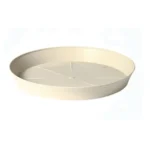
It is also advisable to place a saucer under indoor sinks to prevent water from leaking onto floors or furniture.
Choosing the right pots for indoor plants
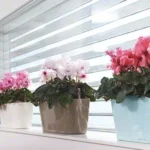
When choosing plant pots for your home, both practicality and aesthetics should be considered. It’s best to select sizes that suit the available space, especially in small rooms or for use on tables and shelves.
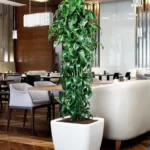
Small pots can be used for plants such as cacti and succulents, while large earth pots are suitable for ornamental plants with large leaves.
It is also preferable to choose colors and designs that match the home’s decor. In modern spaces, simple sinks in neutral colors can be used, while ceramic or decorative sinks suit natural and traditional decor.
Choosing the right garden basins
Garden planters need to withstand weather conditions such as sun, rain, and temperature changes. Therefore, strong and weather-resistant materials should be chosen.
Large basins are suitable for small trees and shrubs, while long or rectangular basins can be used to grow a group of plants or flowers in one place.
It’s also helpful to consider the weight of the basin before choosing one, especially if it will be moved from place to place. Large basins made of terracotta or stone can become very heavy after adding soil and water.
Suitable basins for balconies and small spaces
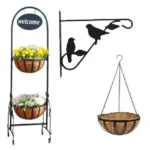
Small balconies can be transformed into beautiful gardens using planters specifically designed for limited spaces. Hanging planters, wall-mounted planters, and containers that attach to balcony edges allow you to grow a large number of plants without taking up floor space.
Vertical basins can also be used for growing herbs and small plants, which is a practical way to save space and add an attractive green touch.
Choosing the shape and color of the sink
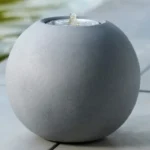
The shape and color of the basin contribute to defining the overall character of the space. Round basins suit most types of plants and can be easily arranged, while square and rectangular basins give a more organized and modern look.
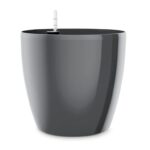
As for colors, white, gray and black basins suit modern decor, while earthy and terracotta colors give the place a natural and warm feel.
It is also possible to combine several basins of different sizes while maintaining a uniform color or material to achieve a balanced arrangement.
Consider the weight of the basin and ease of movement.
If you are constantly moving the plants around, it is best to choose lightweight pots such as plastic pots or those made of composite materials.
As for large plants, mobile bases with wheels can be used under the basins to make them easier to move when cleaning the place or rearranging the garden.
This point is particularly important for ponds that are moved to sheltered locations during winter or periods of harsh weather.
Choose the pot according to the plant’s needs
There is no single pot that suits all plants. Cacti and succulents usually need quick drainage, so terracotta pots are a suitable option for them.
Plants that prefer moisture can be grown in containers that retain water for longer periods. Similarly, plants with deep roots need tall containers, while those with shallow roots can thrive in shallower ones.
Therefore, it is preferable to learn about the nature of the plant and the requirements of its roots before choosing a pot.
Mistakes to avoid when buying plant pots
A common mistake is choosing a pot based solely on appearance without considering the plant’s needs. Using a pot without drainage holes can also lead to significant root problems.
Other mistakes include using a small pot for a long time after the plant has grown, choosing a pot that is too large for small plants, or placing pots made of heat-absorbing materials directly under strong sunlight.
Damaged or cracked pots should also be avoided, especially if they contain large and heavy plants.
Tips for arranging plant pots in the home and garden
A more aesthetically pleasing look can be achieved by grouping pots of varying sizes and heights instead of distributing them randomly. Taller plants can also be placed at the back and smaller ones at the front to showcase all the plants clearly.
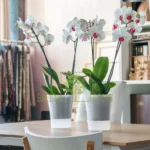
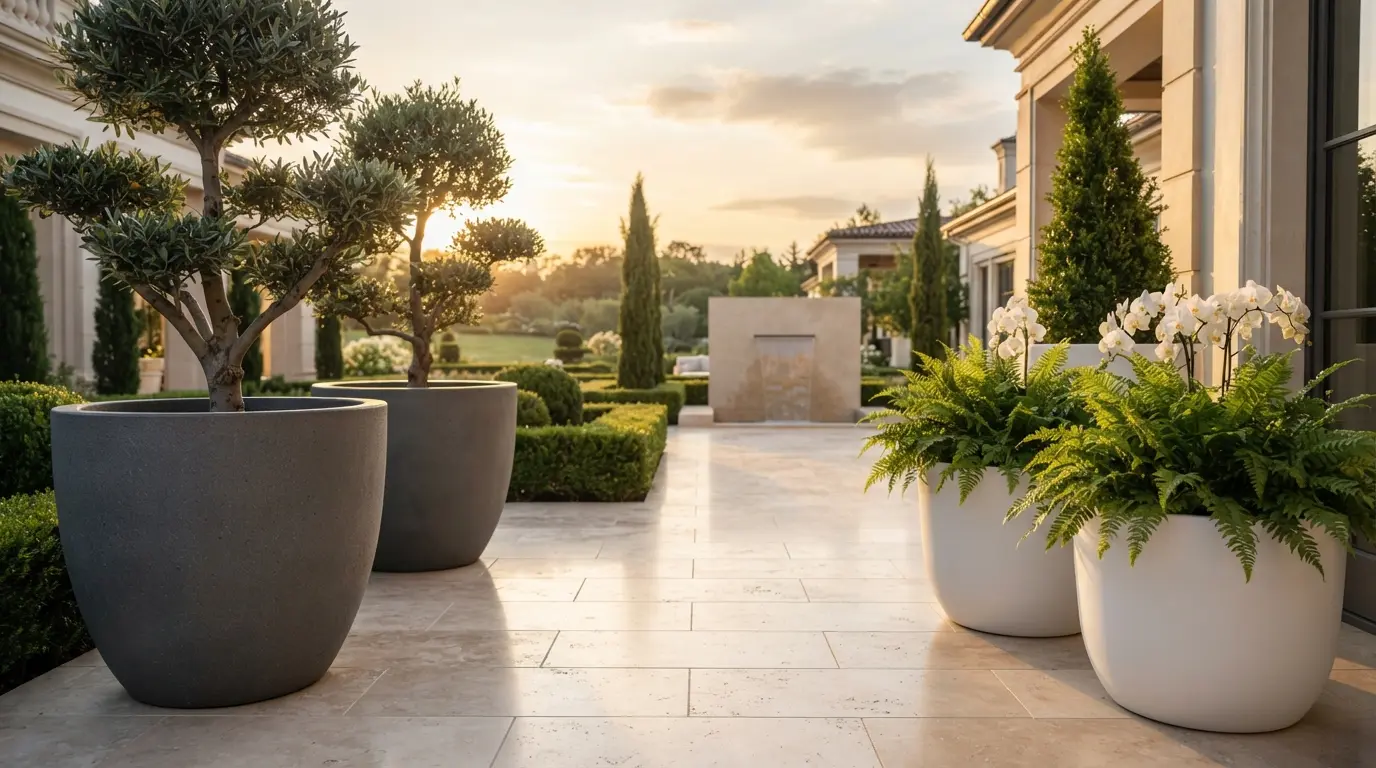
Indoors, groups of three planters in matching designs can be used for a simple and elegant arrangement. In gardens, planters can be placed around entrances, seating areas, or pathways to add color and vibrancy to the space.
It is also possible to rely on one type of basin with varying sizes to achieve a uniform design, or to combine several materials in a balanced way if the decor is more diverse.
Conclusion
Choosing the right plant pots is essential for healthy plants and a beautiful, organized space. The right pot should provide sufficient space for roots, good drainage, and be made of a material that suits the plant’s characteristics and the surrounding environment.
Before buying any planter, it’s helpful to consider its placement, the size of the plant, its watering needs, its exposure to sunlight, and how well it complements the design of your home or garden. With the right choice, planters become both a practical and aesthetically pleasing element, showcasing the beauty of plants and creating a natural and relaxing atmosphere.
قد تعجبك
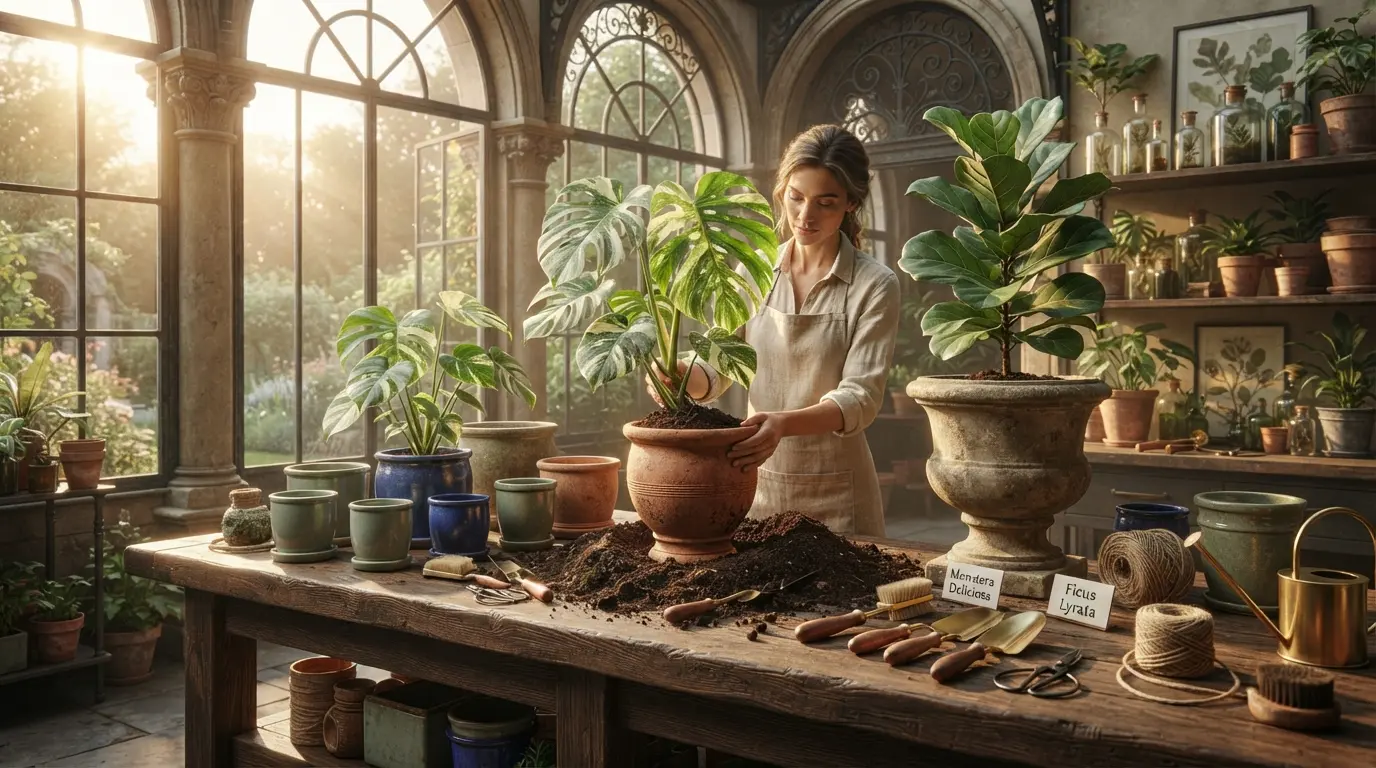
Choosing the right pot size isn’t just about aesthetics; it’s a crucial factor that directly impacts plant health, root growth, […]
When landscaping a garden or balcony, choosing a planter isn’t just about shape and size; the material also plays a […]
Self-watering planters have become a popular choice among plant lovers, especially those who want to reduce the need for frequent […]